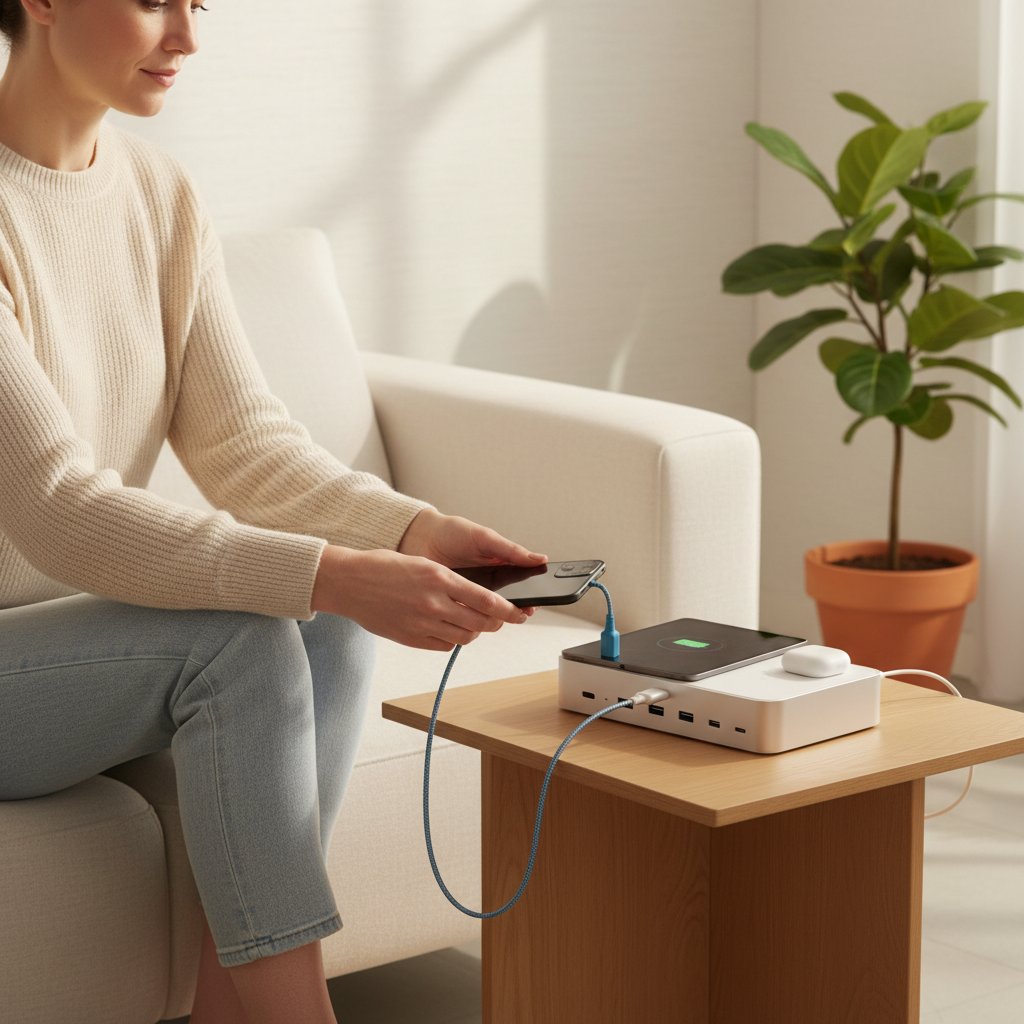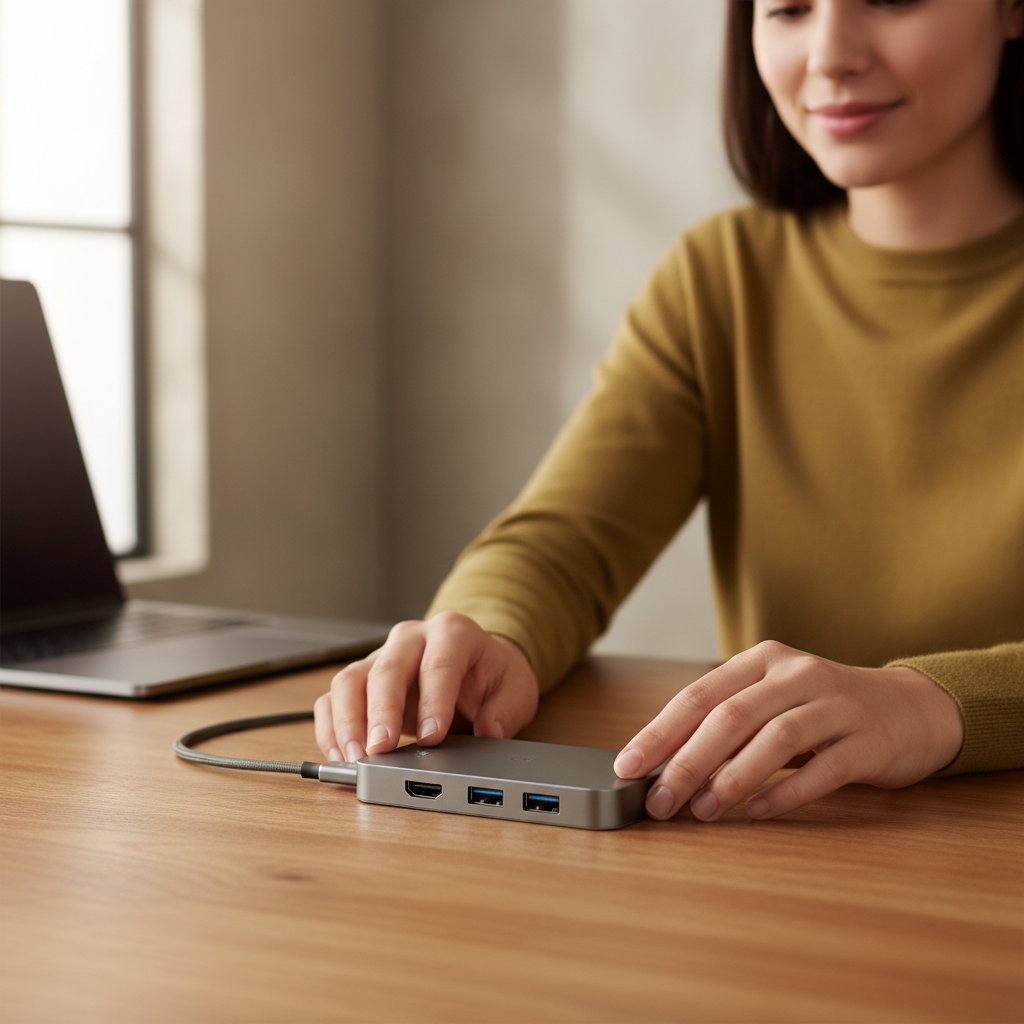
Hey everyone, you know how sometimes you just stop and look around, and suddenly realize how much stuff is happening? I had one of those moments just the other day. I was trying to decide what to make for dinner, and before I knew it, I had my phone open for a recipe, my smart speaker was playing some background music, and a notification popped up on my watch reminding me about a call later. It hit me then, just how deeply integrated everyday tech has become into pretty much everything we do. It’s not just about big computers anymore, is it? It’s truly woven into our digital life.

I mean, think about it. From the moment we wake up – maybe to an alarm on our phone, or a smart light slowly brightening the room – until we wind down, perhaps with an e-reader or streaming a show, technology is right there with us. It’s not a separate entity; it’s part of the fabric of our existence now. And honestly, for all the talk about its downsides, a lot of it is pretty amazing, don’t you think? It’s made so many things simpler, faster, and more accessible. But navigating this constant presence and finding a good tech balance? That’s the real trick.
The Wonderful World of Everyday Tech

Let’s chat for a moment about all the cool ways everyday tech has genuinely improved our lives. I remember when getting directions meant unfolding a giant map that inevitably ripped at the creases. Now? A quick voice command, and my phone tells me exactly where to go, even rerouting around traffic. It’s truly a game-changer! And those little smart devices we have around the house, like smart thermostats or light bulbs, they’re not just fancy gadgets; they can actually make our homes more comfortable and even help us save a little energy. It’s pretty neat how these things just blend into the background, making our lives a bit smoother.
Beyond convenience, tech has become such a powerful tool for connection and learning. I have family scattered across different time zones, and video calls have been an absolute blessing. We get to see each other’s faces, share laughs, and feel a little closer, even when miles apart. And for learning? Oh my goodness! If I want to learn a new skill, understand a complex topic, or even just figure out how to fix a leaky faucet, chances are there’s a video, a podcast, or an article ready to guide me. This access to information and education is incredible, transforming our digital life into a continuous learning journey. It’s like having the world’s biggest library and classroom right in our pockets.
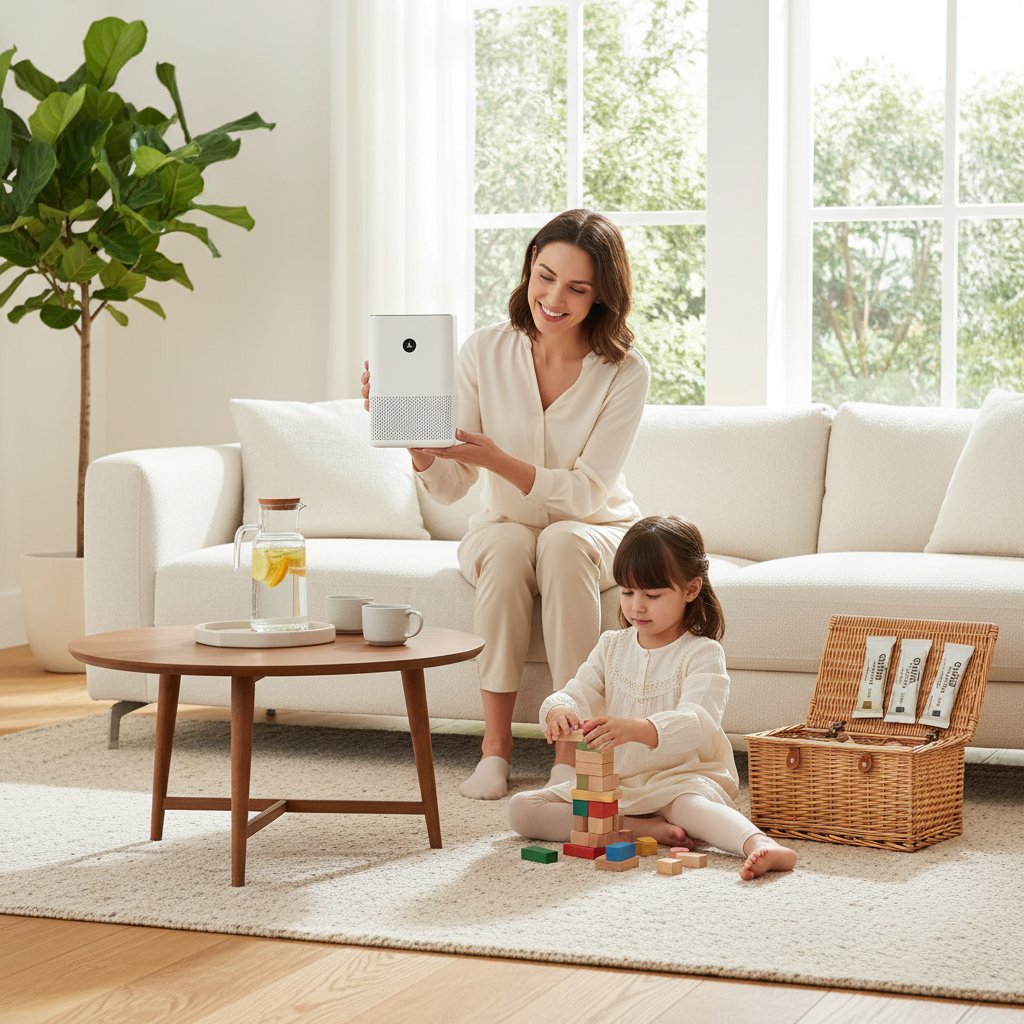
Making Life Easier with Smart Devices
- Home Automation: Imagine walking into a perfectly lit, warm home after a long day, all set up by your smart devices. It’s not science fiction anymore!
- Staying Organized: Calendars, reminders, to-do lists – all synced across devices, making sure I don’t miss a beat.
- Health and Wellness: Wearable tech helps track my steps, sleep, and even reminds me to stand up and stretch. It’s a gentle nudge towards a healthier lifestyle.
Navigating the Digital Landscape: Challenges and Considerations

Okay, so we’ve talked about the bright side, but let’s be real. Living in this always-on, always-connected world also comes with its own set of challenges. Have you ever felt that subtle pressure to constantly check your phone, even when you know you should be focusing on something else? Or maybe you’ve fallen down a rabbit hole of endless scrolling, only to look up and realize an hour has vanished? I definitely have! It’s so easy for everyday tech to go from being a helpful tool to a source of distraction or even overwhelm.
One thing I’ve noticed is the sheer volume of information and notifications we’re bombarded with. It can be exhausting! Our brains aren’t really wired to process a constant stream of alerts, emails, and social updates. This can lead to a feeling of being perpetually busy without actually accomplishing much, and it definitely impacts our ability to truly relax and be present. It’s like our digital life is shouting for attention all the time, making it hard to hear our own thoughts.
The Overwhelm of Constant Connection
- Distraction Overload: That ping from your phone can instantly pull you away from deep work or meaningful conversations.
- Fear of Missing Out (FOMO): Seeing everyone else’s highlight reels can sometimes make us feel like we’re not doing enough, or that our own lives aren’t as exciting.
- Mental Fatigue: Constantly processing information and responding to digital cues can leave us feeling drained, even if we haven’t done anything physically demanding.

Finding Your Sweet Spot: Cultivating Tech Balance

So, how do we get the best out of our tech without letting it control us? For me, it all comes down to finding that sweet spot, that personal tech balance. It’s not about ditching all your smart devices and going off-grid (unless that’s what you truly want!), but about being intentional and mindful with how we use technology. It’s about recognizing that everyday tech is a tool, and we’re the ones holding the hammer, not the other way around.
One of the simplest things I’ve tried is setting boundaries. This could be something like having “phone-free zones” in the house, like the dinner table or the bedroom. Or maybe it’s scheduling specific times to check emails and social media, rather than letting notifications dictate my day. I’ve also found immense value in taking regular digital detoxes, even if it’s just for a few hours on a weekend. Stepping away helps clear my head and reminds me of all the wonderful things that exist beyond a screen. It helps me appreciate my digital life when I return to it.
Practical Steps Towards Better Tech Balance
- Mindful Consumption: Before picking up your phone, ask yourself: “Why am I doing this? What value will it bring?”
- Notification Control: Turn off non-essential notifications. You’ll be amazed at the peace and quiet!
- Scheduled Screen Breaks: Incorporate regular breaks from screens throughout your day. Go for a walk, stretch, or just look out the window.
- Prioritize Real-Life Interactions: Make time for face-to-face conversations, outdoor activities, and hobbies that don’t involve a screen.
- Use Tech as an Enabler: Find ways your smart devices can help you achieve your goals, rather than just consume your time. For example, using a meditation app to relax, or a fitness tracker to motivate you.

Ultimately, it’s about being proactive rather than reactive. It’s about consciously choosing when and how we engage with our everyday tech, so it truly serves us and enhances our lives, instead of detracting from them. Our digital life can be incredibly rich and rewarding when we approach it with intention.
These are some of my experiences and thoughts on finding a good tech balance. I hope they bring you some inspiration and maybe a few ideas for your own journey. What do you think? Have you found unique ways to manage your relationship with technology? I’d love to hear about them!