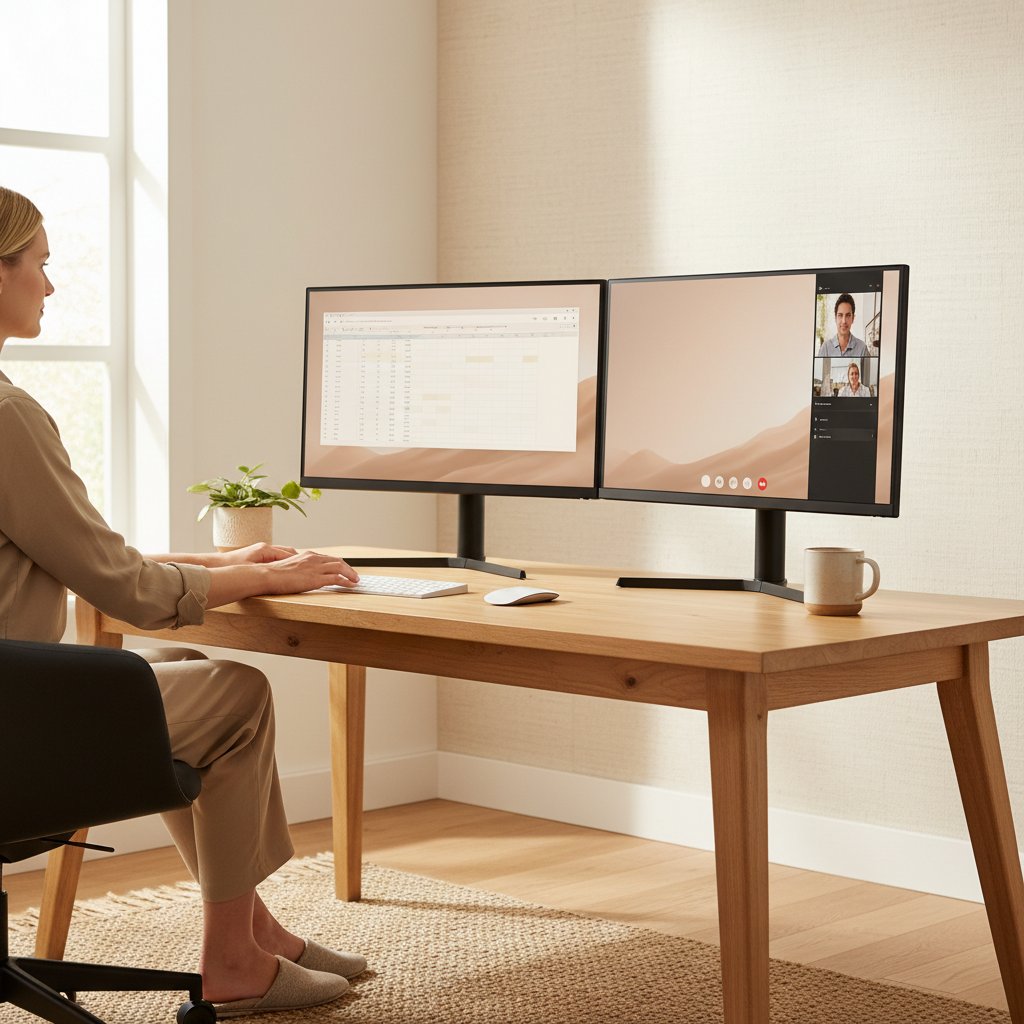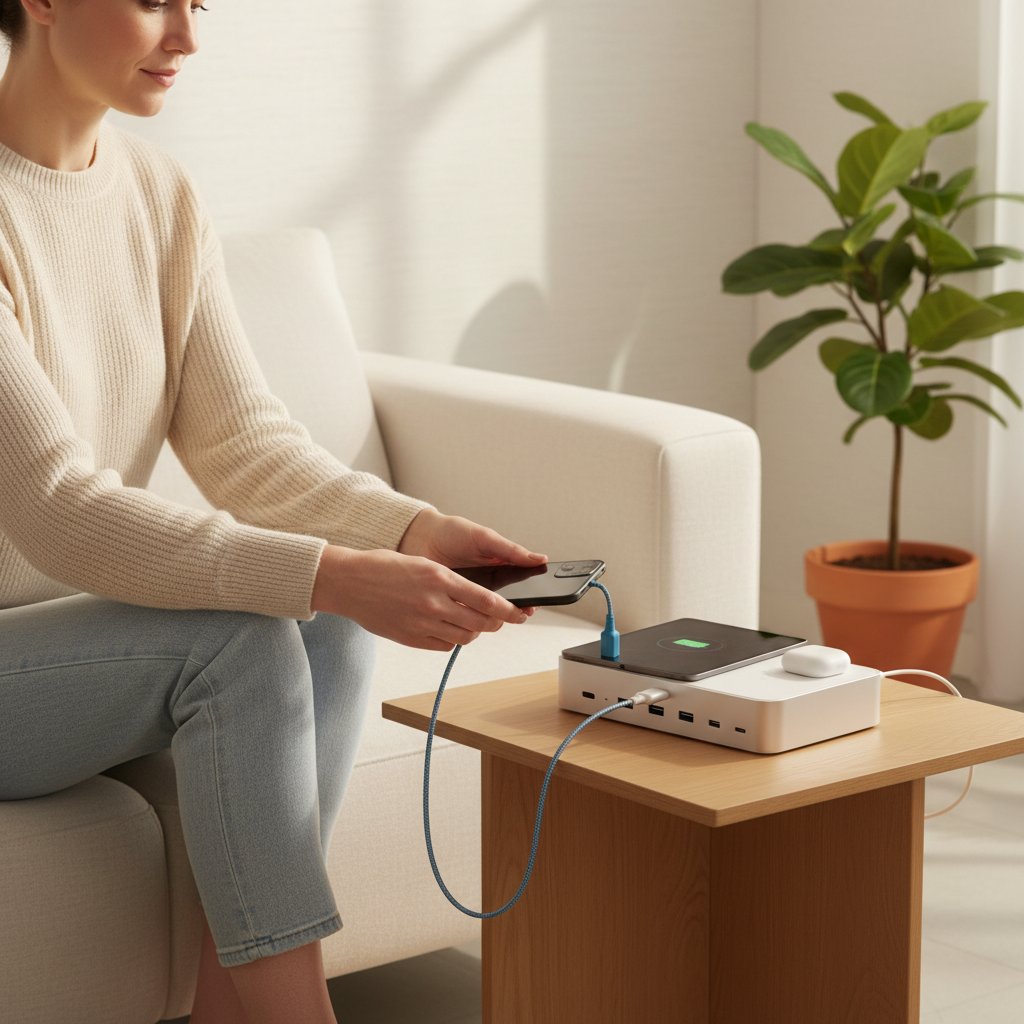
It’s incredible, isn’t it, how much our lives are shaped by technology these days? I’ve been thinking a lot about the role of everyday tech in our routines, and how we can really make it work for us instead of feeling overwhelmed by it. It feels like just yesterday we were marveling at flip phones, and now we have entire smart homes that respond to our voices! This rapid evolution means we’re constantly adapting, learning, and sometimes, just trying to keep up. But beyond the shiny new gadgets, there’s a deeper conversation to be had about how we integrate these tools into our lives for better living, focusing on our digital well-being and embracing smart living principles.

Embracing Everyday Tech Mindfully

I remember a time when my phone was just for calls and texts. Now, it’s my alarm clock, my map, my camera, my workout tracker, and even my grocery list all rolled into one. This ubiquitous presence of everyday tech means we’re interacting with it almost constantly. And honestly, for a while, I felt like I was just reacting to every notification, every ping. It wasn’t until I started consciously thinking about how I was using my tech tools that things began to shift for me.
One of the biggest shifts was recognizing that not all tech interactions are created equal. There’s a huge difference between using a navigation app to get to a new place efficiently, and endlessly scrolling through social media just because it’s there. Both are uses of everyday tech, but one serves a clear purpose, while the other can sometimes feel like a time sink. I’ve found it helpful to pause before I pick up my phone or interact with a smart device and ask myself, “What’s my intention here?” This simple question has been a game-changer for my digital well-being.
For example, I used to just leave all notifications on, thinking I needed to be instantly aware of everything. But I quickly realized that constant interruptions were breaking my concentration and making me feel scattered. Now, I’m much more intentional. Only essential apps get to send me alerts, and I’ve set specific times to check others. This small change has given me back a lot of mental space and made my experience with everyday tech feel much more controlled and less chaotic. It’s all about being the master of your tech, not its servant, and that’s a key part of smart living.
Finding Balance in Our Digital Lives for Digital Well-being

It’s easy to get caught up in the always-on nature of modern life, especially with so many amazing tech tools at our fingertips. But I’ve learned that truly benefiting from everyday tech means finding a healthy balance. It’s not about ditching technology entirely – that’s pretty unrealistic for most of us – but about creating boundaries that support our digital well-being. Think of it like this: you wouldn’t eat dessert for every meal, right? Similarly, we need to apply that same thoughtful approach to our tech consumption.
One thing I’ve tried, and it’s been surprisingly effective, is having “tech-free zones” or “tech-free times” in my day. For instance, I try to keep my bedroom a screen-free sanctuary. No phones, no tablets, no laptops in bed. This has dramatically improved my sleep quality and helps me wind down properly without the blue light stimulating my brain. It’s a simple step towards better digital well-being that anyone can implement. Another idea I picked up from a friend was to put my phone away during meals, even if I’m eating alone. It encourages me to be present, savor my food, or just enjoy a quiet moment of reflection. These small habits contribute significantly to a more balanced approach to our everyday tech.
It’s also about recognizing when tech is serving you versus when it’s becoming a distraction. Are those endless news alerts making you feel informed, or just anxious? Is that social media app connecting you with friends, or making you feel inadequate? Being honest with ourselves about these patterns is the first step towards cultivating better digital well-being. Sometimes, it means uninstalling an app that no longer serves a positive purpose, or adjusting settings to limit screen time. It’s an ongoing process, but a crucial one for smart living in our connected world.
Smart Living: Leveraging Tech Tools for a Better Life
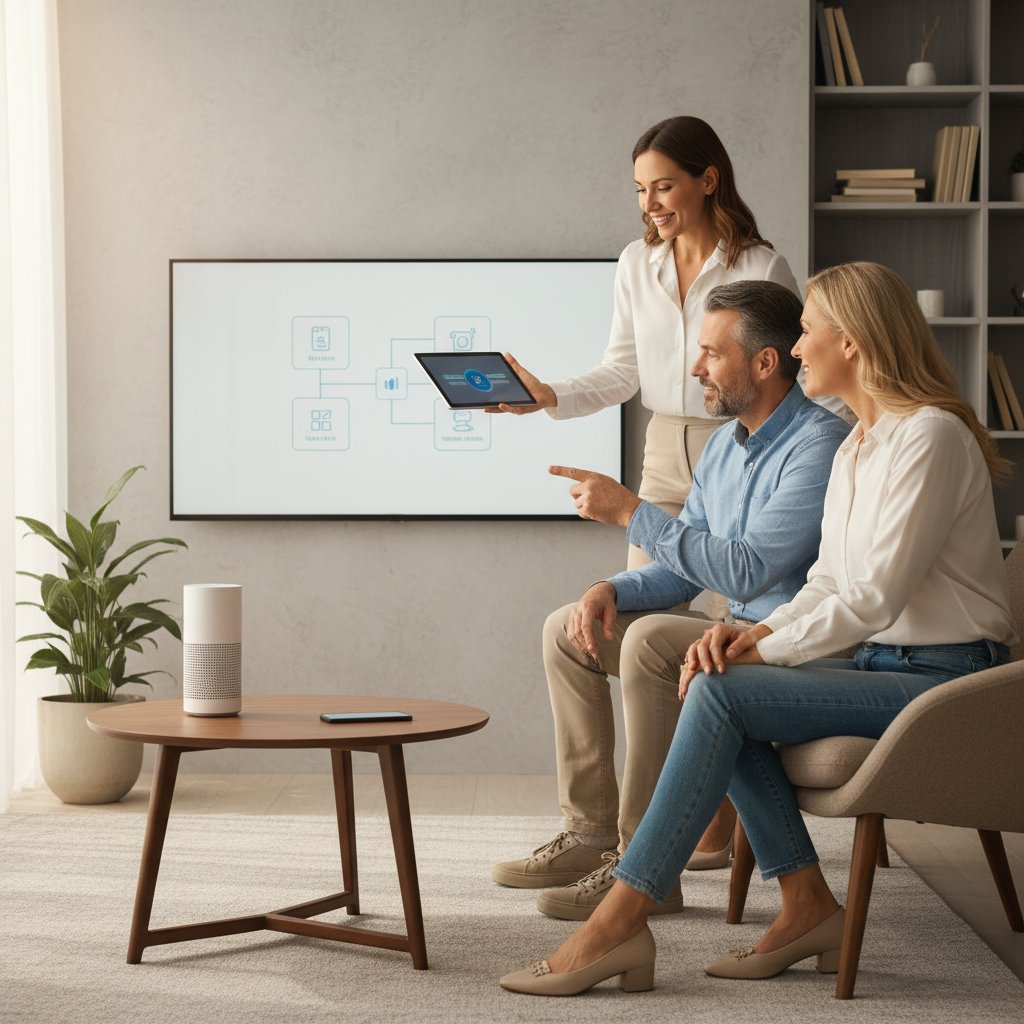
While it’s vital to manage our tech use, let’s not forget the incredible ways everyday tech can genuinely enhance our lives and contribute to smart living. I’m constantly amazed by how many smart devices and tech tools are designed to make things easier, more efficient, and even more enjoyable. It’s not just about flashy gadgets; it’s about practical applications that streamline our routines and free up our mental energy for other things.
For instance, I’ve found smart home devices incredibly useful for simple tasks. Being able to turn off lights with a voice command when my hands are full, or having the thermostat adjust automatically based on my schedule, might seem small, but these little conveniences add up. They remove minor friction points from my day, allowing me to focus on more important things. That’s smart living in action – using tech to simplify, not complicate.
Beyond the home, there are so many tech tools that support personal growth and organization. I rely on certain apps to keep track of my to-do lists, manage my personal finances, and even learn new skills. There are fantastic language learning apps, meditation guides, and fitness trackers that genuinely help us pursue our goals. The key is to be intentional about which tech tools you invite into your life. Before adopting a new gadget or downloading an app, I always ask myself: “How will this truly benefit me? Will it save me time, improve my health, or help me learn something new?” If the answer isn’t clear, I usually pass. This selective approach ensures that my everyday tech choices are aligned with my desire for better digital well-being and a more streamlined, smart living experience.

Staying Connected and Learning with Everyday Tech
One of the most profound benefits of modern everyday tech is its ability to keep us connected and facilitate learning. In a world that sometimes feels increasingly isolated, our tech tools can bridge distances and bring people closer. I have friends and family spread across different continents, and video calls have become an indispensable part of our lives. It’s not quite the same as being in the same room, but seeing their faces and hearing their voices makes all the difference in maintaining those important relationships. This kind of connection is a huge contributor to our digital well-being.
And then there’s the wealth of knowledge right at our fingertips! Never before has so much information been so readily accessible. Whether it’s looking up a quick fact, delving into a new hobby with online tutorials, or even taking full university courses from the comfort of your home, everyday tech has democratized learning in an incredible way. I’ve personally used online resources to pick up basic coding skills, learn about gardening, and even explore different cultures through documentaries and virtual tours. It’s an endless library waiting to be explored, and it truly embodies the spirit of smart living – constantly growing and evolving.
Of course, with connection and learning comes the need for discernment. Just as we curate our physical friendships, we need to be mindful of our digital connections and the sources of information we consume. Not everything online is accurate or positive. Cultivating a critical eye and seeking out reputable sources is part of responsible tech use. But when used thoughtfully, these tech tools offer unparalleled opportunities for growth, understanding, and staying close to the people who matter most.
So, as you go about your day, interacting with all the amazing everyday tech around you, I hope you’ll take a moment to reflect on how you’re using it. Are your tech tools serving you, enhancing your life, and contributing to your digital well-being and smart living? Or are they just adding noise? There’s a wonderful sweet spot where technology truly empowers us, and finding that balance is a journey worth taking. I hope these thoughts bring you some inspiration!