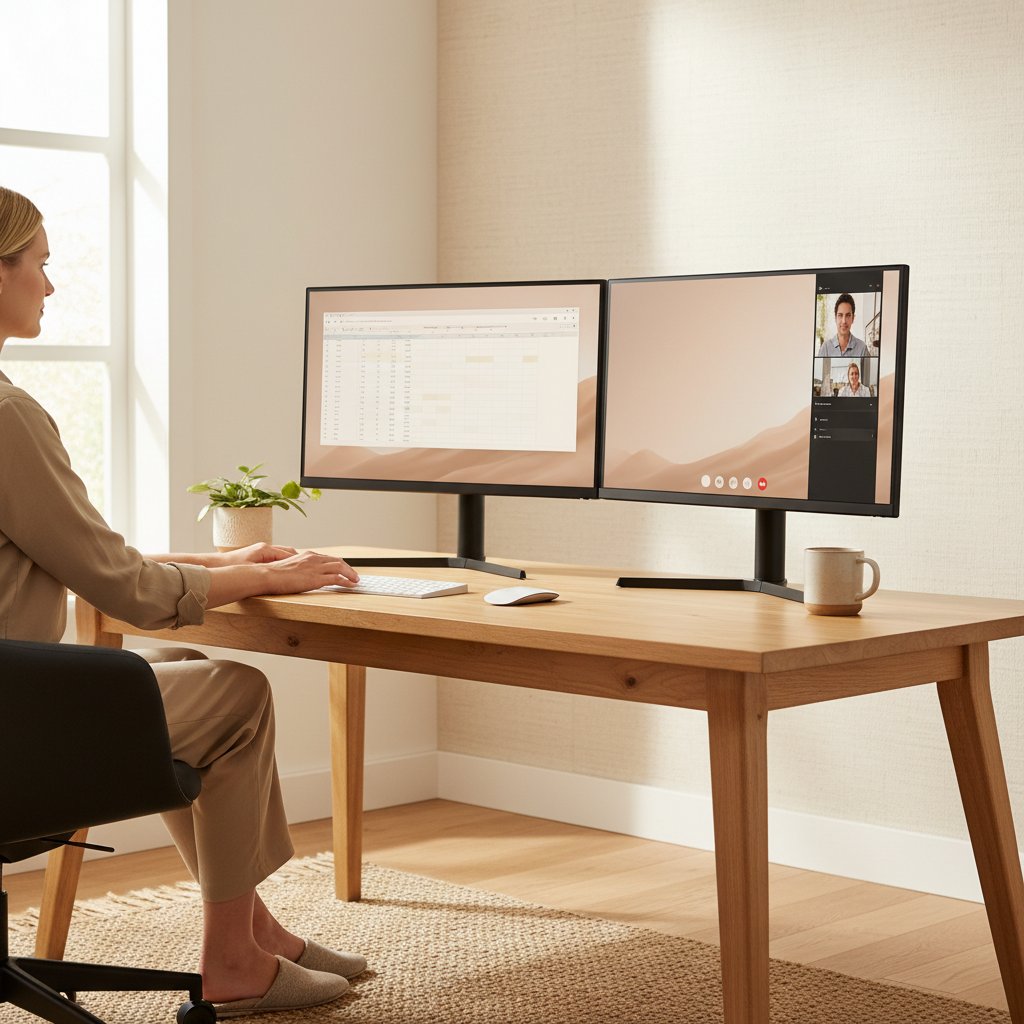
Hey everyone, have you ever felt like you’re just trying to keep your head above water in the vast ocean of new gadgets, apps, and constant updates? It’s like every other day there’s something new to learn or a shiny new tool promising to make life easier, and honestly, it can sometimes feel like a bit of a tech overwhelm. We want to embrace all the wonderful things technology offers, but finding that sweet spot where it truly serves us, instead of us serving it, can be a real challenge. I know I’ve certainly had moments where I felt more tethered to my devices than truly connected, and that’s why I’ve been thinking a lot about cultivating better smart tech habits and achieving a healthier tech balance for our overall digital well-being.

Taming the Tech Overwhelm: Taking Back Control

It’s easy to get caught up in the current of newness. One day you’re perfectly happy with your setup, and the next, you see an ad or a friend raves about something, and suddenly you feel like you’re missing out. This feeling of constantly needing to upgrade or adopt the latest thing can be exhausting and contribute to that sense of tech overwhelm. For me, it was a turning point when I realized that “new” doesn’t always mean “better” for my specific needs.
The Art of Digital Decluttering
Just like we declutter our physical spaces, our digital lives benefit immensely from a good clear-out. Think about it: how many apps do you have on your phone that you haven’t opened in months? Or how many subscriptions are you paying for that you barely use? I recently went through my phone and computer, and it was quite revealing!
- Unsubscribe ruthlessly: Those email newsletters that pile up? If you don’t open them, unsubscribe. It’s amazing how much mental space that clears up.
- Delete unused apps: If an app hasn’t been touched in a month, chances are you don’t really need it. Free up some storage and reduce visual clutter.
- Organize your files: A messy desktop or downloads folder can add to a subtle sense of chaos. Taking an hour to sort things into logical folders can make a big difference in your daily flow. I used to just dump everything into one folder, and finding anything was a nightmare. Now, a quick search gets me exactly what I need, which is a huge win for my sanity!
This kind of digital decluttering isn’t just about tidiness; it’s about creating an environment that supports your focus and reduces unnecessary distractions. It’s a foundational step towards achieving better digital well-being.

Cultivating Smart Tech Habits for a Better Everyday

Once you’ve decluttered, the next step is to start building habits that help you use your tech more intentionally. It’s not about cutting tech out entirely – that’s often unrealistic and unnecessary – but about integrating it into your life in a way that enhances it, rather than detracting from it. This is where smart tech habits really shine.
Finding Your Digital Sweet Spot
One of the biggest lessons I’ve learned is that everyone’s “sweet spot” for tech use is different. What works for a friend might not work for you, and that’s perfectly okay! The key is to experiment and find what feels right. For instance, I used to check my phone first thing in the morning, and I’d immediately get sucked into emails or social media. Now, I try to leave my phone out of the bedroom and give myself at least an hour to wake up, have a cup of coffee, and set my intentions for the day before diving into the digital world. This simple change has dramatically improved my mornings and reduced that frantic feeling.
Here are a few other habits I’ve been trying to cultivate:
- Scheduled “check-ins”: Instead of constantly reacting to notifications, I try to set specific times to check emails and messages. This helps me stay focused during work periods and gives me back control over my attention.
- Mindful notification management: Do you really need a notification for every single thing? Probably not! I’ve turned off most notifications for non-essential apps, especially those that aren’t person-to-person communication. It’s amazing how much quieter and less demanding my phone feels.
- Designated “tech-free” zones or times: This could be dinner time, family time, or even just an hour before bed. Creating these boundaries helps ensure that you’re fully present in other aspects of your life. My family started a “no phones at the dinner table” rule, and our conversations have become so much richer!
These practices aren’t about deprivation; they’re about creating space for other meaningful activities and reducing the constant pull of the digital world. It’s all part of building a stronger sense of tech balance.

Embracing Tech Mindfully for Digital Well-being

Ultimately, it comes down to being mindful about how and why we use our technology. It’s a powerful tool, capable of amazing things, but like any tool, it needs to be wielded with intention. This approach to mindful tech use is crucial for our long-term digital well-being.
Tech as a Tool, Not a Master
Think about what you want your tech to do for you. Do you want it to help you learn, connect with loved ones, create, or relax? When you approach tech with a clear purpose, you’re less likely to fall into the trap of endless scrolling or passive consumption. For example, instead of just browsing social media aimlessly, I might use it to specifically connect with a friend I haven’t talked to in a while, or to follow a creator whose work genuinely inspires me. The intention makes all the difference.
Another thing I’ve noticed is how much better I feel when I use tech to *create* rather than just *consume*. Whether it’s writing a story, editing photos from a trip, or learning a new skill through an online course, these activities feel so much more fulfilling than simply passively watching videos or scrolling. It shifts your mindset from being a recipient of information to an active participant, which is incredibly empowering.
It’s also important to be kind to yourself. We all slip up sometimes. There will be days when the notifications get the better of us, or we spend more time online than we intended. The goal isn’t perfection, but rather consistent, gentle effort towards improving our tech balance and fostering better smart tech habits. Each small step makes a difference in reducing tech overwhelm and improving our overall digital well-being.
These are just some of my thoughts and experiences on navigating our increasingly digital world. It’s a journey, not a destination, and I’m constantly learning and adjusting my own approach. I hope these suggestions help you find your own rhythm and create a more intentional and fulfilling relationship with the technology in your life. What are some of your own strategies for maintaining a healthy tech balance? I’d love to hear your insights!