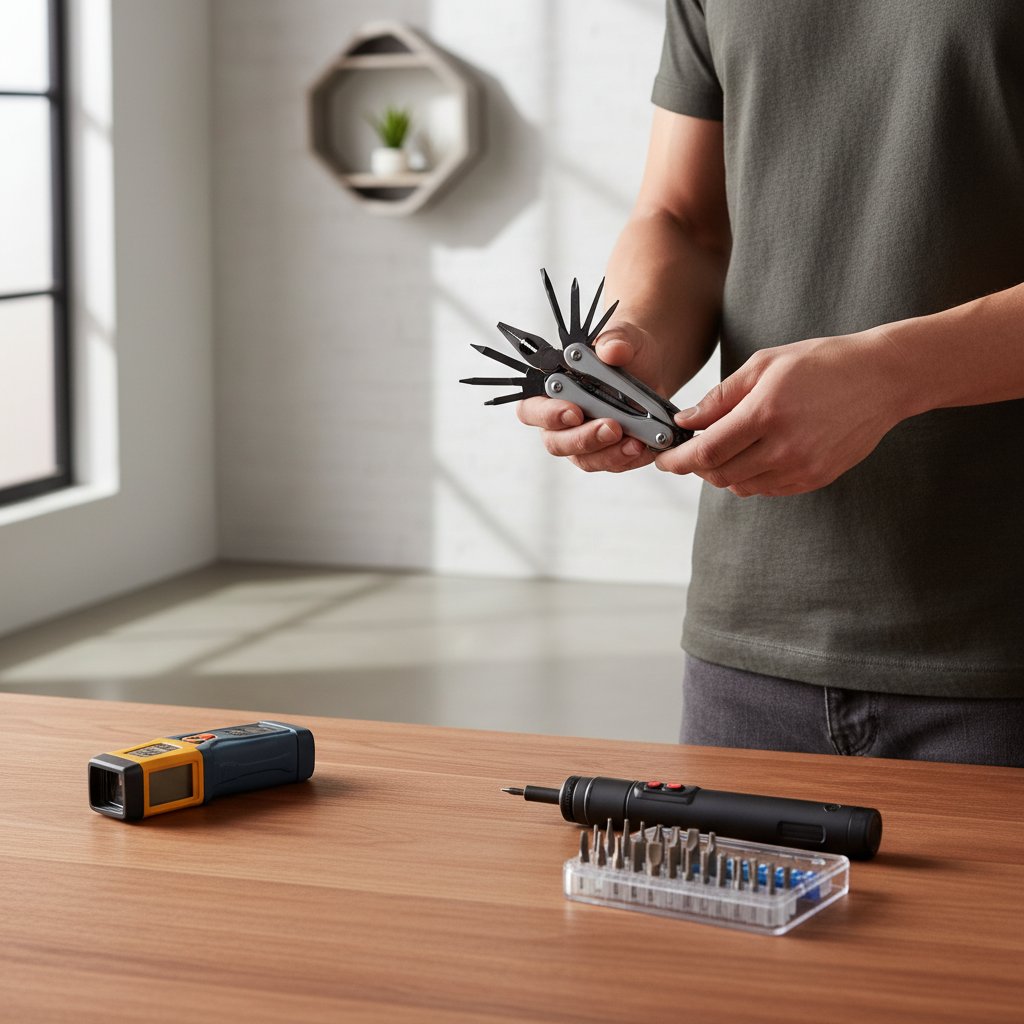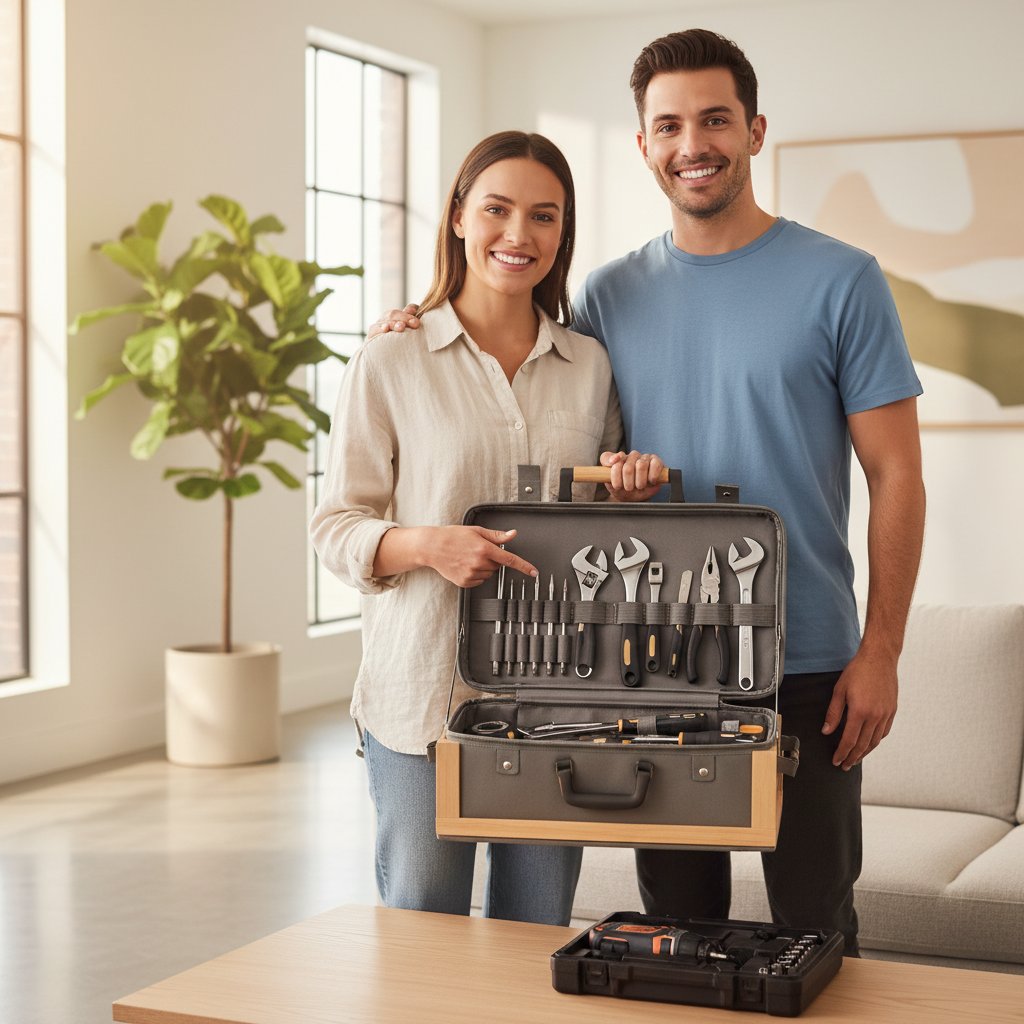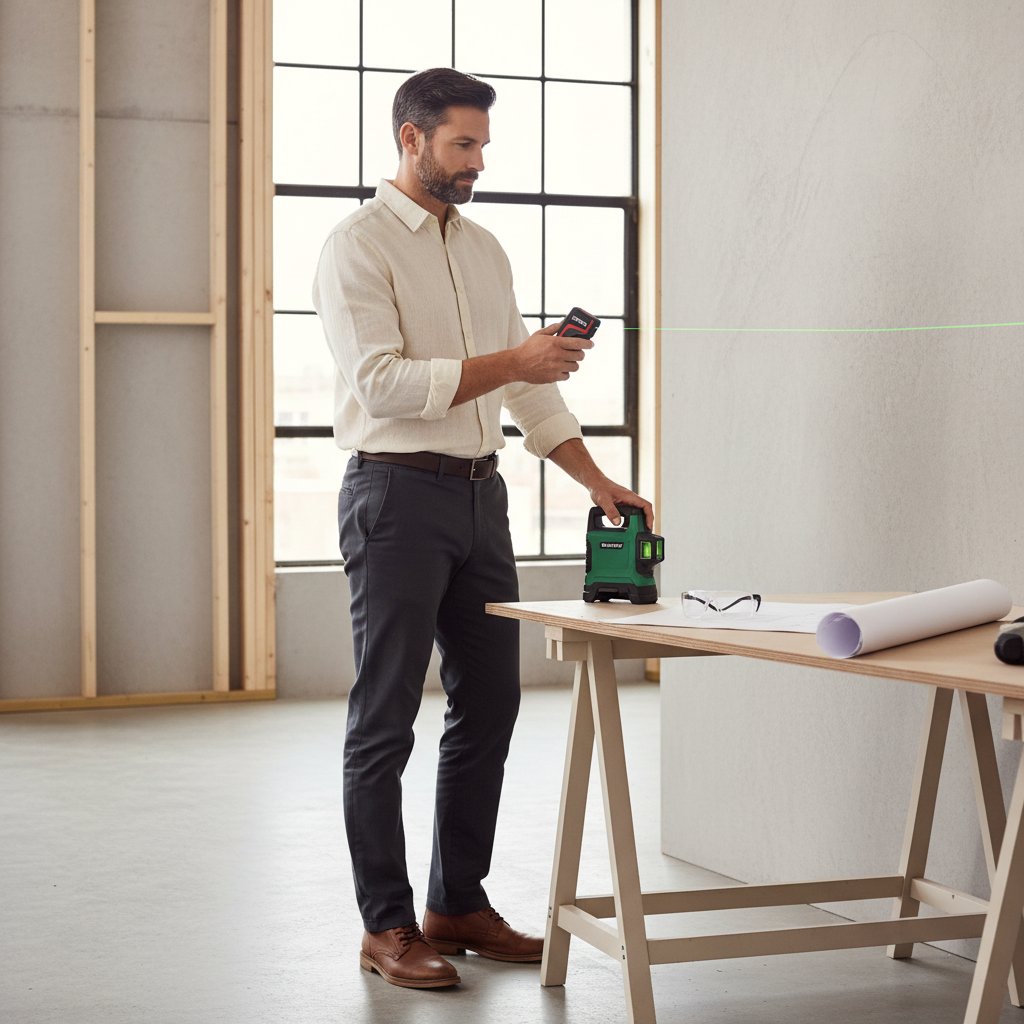
Hey everyone, I’ve been thinking a lot lately about something pretty fundamental to our lives, something we often take for granted: tools. When you hear that word, what comes to mind? Maybe a hammer, a wrench, or perhaps a computer? But what if I told you that the concept of “tools” extends far beyond the physical or even the digital things we use? What if some of the most impactful helpful tools in our lives aren’t things we can hold at all?
It’s a fascinating thought, isn’t it? We all have our collection of daily tools, whether we consciously recognize them or not, that help us navigate our days, solve problems, and achieve our goals. And I truly believe that consciously understanding and choosing these tools can make a huge difference in how smoothly and joyfully our lives flow. So, let’s chat about it!
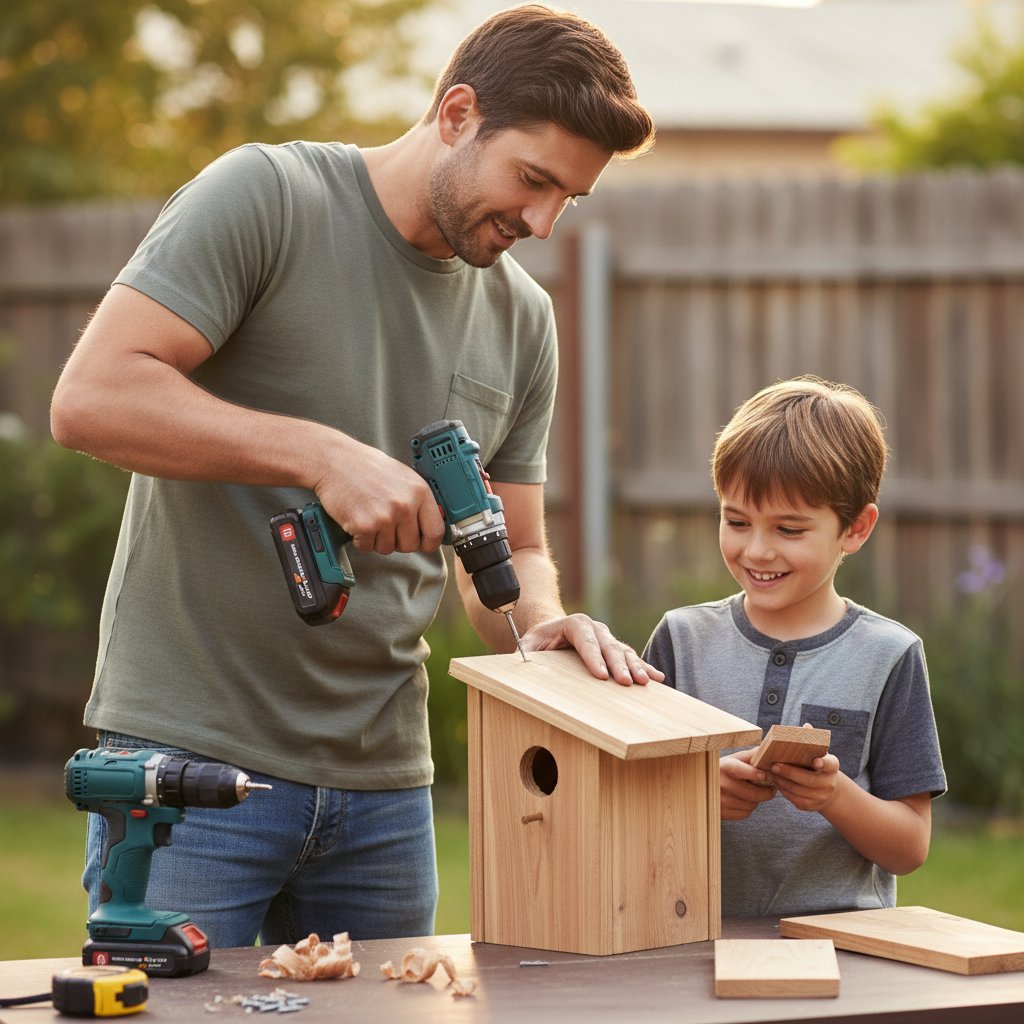
What Exactly Are We Talking About When We Say “Tools”?

For me, a tool is anything that helps you accomplish a task or reach a desired outcome more effectively or efficiently. It’s an extender of your capabilities, a shortcut, or a means to an end. And yes, that includes a lot more than just the stuff in your garage or on your desktop.
Think about it: a well-organized calendar is a tool. A morning routine is a tool. Even a specific mindset, like gratitude or resilience, can function as a powerful life tool. These are all things we employ to get from point A to point B, whether that’s finishing a project, staying calm under pressure, or simply remembering to pick up groceries.
I remember a time when I used to think having more tools meant I’d be more productive. I’d download every new app, buy every gadget, and try every new system. My physical space and digital dashboards became cluttered. The irony was, instead of feeling more capable, I often felt overwhelmed. It was a big realization for me that it’s not about the quantity of tools, but the quality and relevance of the right tools for *you* and your specific needs.
Finding Your Right Tools: Quality Over Quantity
This journey of discovering what truly serves us is deeply personal. What works for one person might be completely wrong for another. My neighbor swears by a complicated digital planner for her busy schedule, but for me, a simple paper notebook and a basic online calendar are my go-to helpful tools. And that’s perfectly okay!
The key, I’ve found, is to pause and reflect. What are the recurring tasks or challenges in your life? What frustrates you? What do you wish you could do more easily? Once you identify those areas, then you can start looking for the right tools to address them. It’s like a chef choosing a sharp, versatile knife over a whole block of specialized knives they’ll rarely use. A few excellent tools, mastered and well-maintained, are far more valuable than a mountain of mediocre ones.
Practical Tools for a Smoother Daily Flow

Let’s get a bit more concrete. What are some of these daily tools that can genuinely make a difference?
Simple Physical Tools That Make a Big Impact
- A Reliable Pen and Notebook: Seriously, don’t underestimate the power of putting pen to paper. For brainstorming, quick notes, or just getting thoughts out of your head, it’s an incredibly effective and distraction-free tool. It’s one of my favorite helpful tools.
- A Good Water Bottle: Staying hydrated is a simple act, but having a water bottle you love to carry with you throughout the day is a subtle yet powerful tool for health and energy.
- A Comfortable Chair or Workspace: If you spend a lot of time working or pursuing hobbies, investing in a comfortable setup is a tool for your physical well-being and focus. It reduces discomfort, allowing you to concentrate on the task at hand.
- A Well-Organized Key Holder: This might sound trivial, but think about the micro-frustrations of searching for keys. A designated spot, or a smart key organizer, saves precious mental energy every single day.
Digital and Mental Tools for Modern Living
- A Simple Calendar App: Whether it’s on your phone, computer, or a physical wall calendar, a reliable way to keep track of appointments and deadlines is a non-negotiable daily tool. Don’t overcomplicate it; just make sure it works for you.
- A “Brain Dump” System: This could be a notes app, a voice recorder, or a dedicated journal. The idea is to have a place to quickly offload ideas, to-dos, and worries so they don’t clutter your mind. It’s a powerful mental tool for clarity.
- Mindfulness or Meditation: Yes, these are absolutely tools! Taking a few minutes each day to focus on your breath or simply observe your thoughts without judgment can be an incredible life tool for managing stress, improving focus, and gaining perspective.
- A Habit Tracker: If you’re trying to build new routines, a simple app or even a paper checklist can be a very effective tool for accountability and motivation. Seeing your progress visually can be incredibly encouraging.

The Art of Curating Your Personal Toolset

The journey with tools isn’t a one-time setup; it’s an ongoing process of refinement. Our needs change, our lives evolve, and so too should our collection of helpful tools.
Less Can Be More: Avoiding Overwhelm
I’ve learned that sometimes, the best thing you can do is *remove* a tool. If an app isn’t truly serving you, if a gadget is gathering dust, or if a particular mental strategy is causing more stress than relief, it’s okay to let it go. Decluttering your toolset can be just as liberating as decluttering your physical space. It frees up mental bandwidth and allows you to truly master the right tools that remain.
Think about it: when you have too many options, decision fatigue sets in. By consciously choosing and committing to a smaller, more effective set of daily tools, you reduce friction in your day and create more space for what truly matters.
Keeping Your Tools Sharp and Relevant
Just like a carpenter sharpens their saw, we need to periodically “sharpen” our own tools. This means regularly reviewing whether our chosen methods and items are still serving us well. Are you actually using that subscription service? Is your note-taking system still intuitive? Is your mindfulness practice something you genuinely engage with, or has it become another chore?
Sometimes, sharpening a tool means learning to use it better. Other times, it means recognizing when a tool has outlived its usefulness and it’s time to find a new one. This ongoing evaluation is part of the growth process and ensures that your personal collection of life tools remains potent and relevant to your current self.
I hope these thoughts on tools bring you some inspiration and encouragement. It’s truly amazing how much difference a conscious approach to our helpful tools can make. Take some time to look at the things, habits, and mindsets you employ every day. Are they truly serving you? Are they the right tools for the life you want to live?
What are some of your favorite daily tools that you can’t imagine living without? I’d love to hear your thoughts!