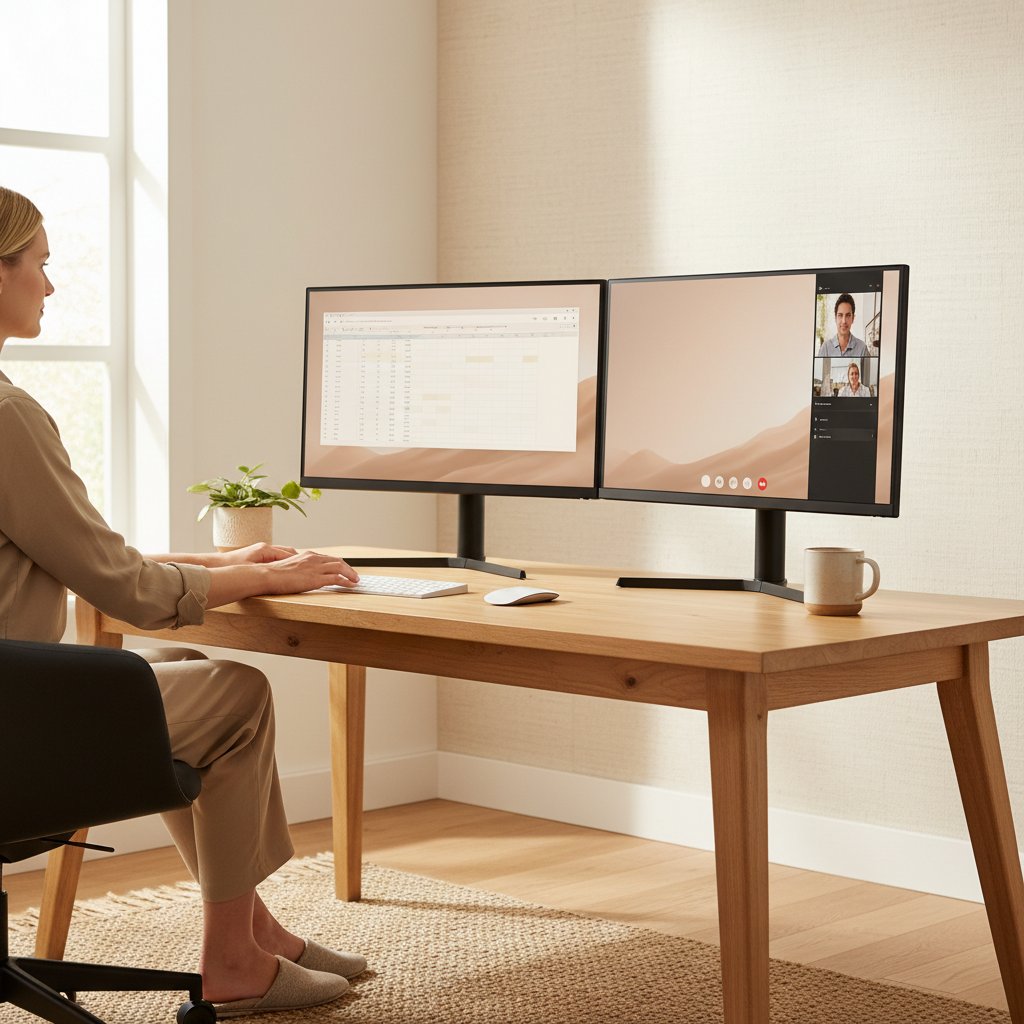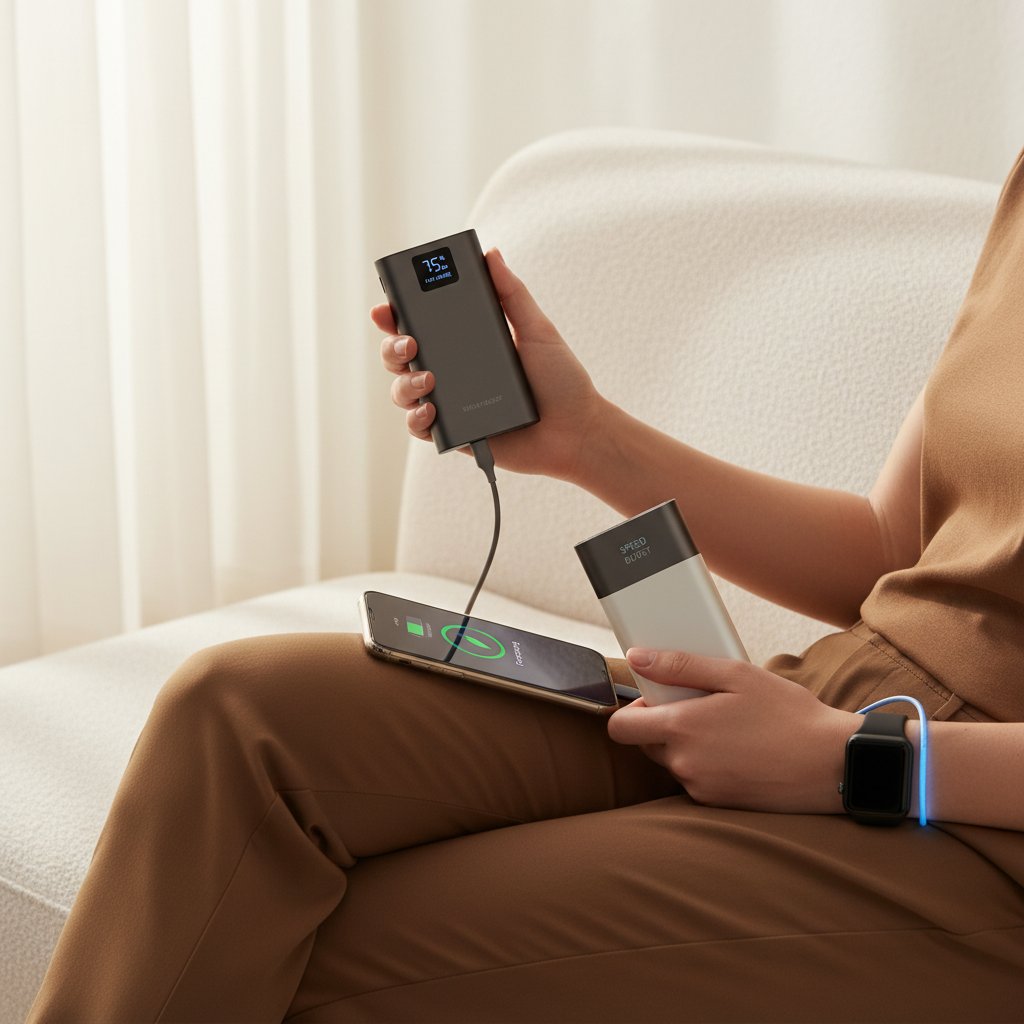
You know, I’ve been thinking a lot lately about how deeply personal technology has woven itself into the fabric of our lives. It’s not just about the big, flashy innovations anymore; it’s the quiet hum of our phones, the gentle nudge from our smartwatches, the convenience of our connected homes. It truly feels like every aspect of our day has some kind of digital touchpoint, and I wanted to share some observations and thoughts on how we can all live a little more intentionally with it.

The Ever-Present Nature of Our Smart Devices

It’s incredible, isn’t it, how quickly what once felt futuristic became utterly normal? I remember when getting a text message was a big deal, and now, our smart devices are practically extensions of ourselves. From the moment we wake up, often to an alarm on our phone, to checking the weather on a smart display, or getting directions from a GPS, technology guides so much of our interaction with the world. I’ve noticed friends using their smartwatches to track everything from their steps to their sleep, and honestly, it’s a powerful tool for self-awareness when used thoughtfully.
But with all this constant connection, it’s easy to fall into habits that might not serve us best. I’ve definitely been there – mindlessly scrolling through feeds when I meant to just check one thing, or feeling a phantom vibration in my pocket. It’s not that the technology itself is bad; it’s how we engage with it. These smart devices offer so much potential for good, for staying connected with loved ones, learning new things, or managing our daily tasks efficiently. The trick, I think, is to be the master of our tech, not the other way around.
Cultivating Healthy Tech Habits for a Better You

This brings me to something I’ve been actively working on in my own life: building better tech habits. It sounds simple, but it can be surprisingly challenging when everything is designed to capture our attention. One thing I’ve found helpful is setting specific times for checking notifications rather than letting them interrupt me constantly. For example, I might decide to only check social media during a lunch break or in the evening, rather than letting it creep into my focused work time. It’s about creating boundaries, even small ones, that allow us to reclaim some mental space.
Another area where I’ve tried to improve my tech habits is around bedtime. I used to be guilty of scrolling right up until I closed my eyes, and I noticed it really impacted how quickly I fell asleep and the quality of that sleep. Now, I try to put my phone away at least an hour before bed and pick up a physical book instead. It’s a small change, but it makes a significant difference in winding down. It’s not about abandoning our personal technology entirely, but about being mindful of its place in our routines.

Prioritizing Your Digital Well-being

Thinking about how our tech use affects us naturally leads to the concept of digital well-being. This is such an important topic, especially as we spend more and more of our lives online. For me, prioritizing my digital well-being means consciously evaluating if my tech use is adding value to my life or detracting from it. Are these apps truly helping me connect, learn, or grow, or are they just draining my energy and time?
I recently tried a “mini digital detox” where I left my phone in another room for a few hours on a weekend afternoon. It felt strange at first, almost like I was missing a limb! But after a while, I started to notice things around me more, engaged more deeply in conversations, and even felt a sense of calm. It was a powerful reminder that sometimes, stepping away from our smart devices can be incredibly refreshing. You don’t have to go completely off the grid, but even small breaks can help reset your perspective and improve your overall digital well-being.
Turning off non-essential notifications, creating “do not disturb” schedules, and even just being aware of how much screen time you’re racking up can be fantastic first steps. Many of our personal technology devices even have built-in tools now to help us monitor and manage our usage, which is a great sign that this is a widely recognized need.

Making Smart Choices with Your Personal Technology
With so many options out there, from new gadgets to countless apps, it can feel overwhelming to choose what’s right for us. My advice here is to approach new personal technology with a clear intention. Before adopting a new device or downloading an app, ask yourself: What problem will this solve for me? How will it genuinely improve my life or work? Will it support my digital well-being or potentially hinder it?
I’ve learned to be a bit more selective. Instead of jumping on every new trend, I try to evaluate if a piece of technology aligns with my values and needs. For example, I love how certain apps help me organize my thoughts or track my fitness goals, but I’ve also learned to uninstall apps that just seem to consume my time without much benefit. It’s about curating your digital environment, just as you would your physical one.
Think about the longevity and sustainability of your choices too. Sometimes, investing in a slightly more robust or versatile piece of personal technology that will last longer can be a better decision than constantly upgrading to the latest model. It’s all part of developing smart tech habits that serve you in the long run.
I hope these suggestions help you! We’re all navigating this incredibly exciting and sometimes challenging digital landscape together. Finding that sweet spot where technology enhances our lives without overwhelming them is a continuous journey. What do you think?