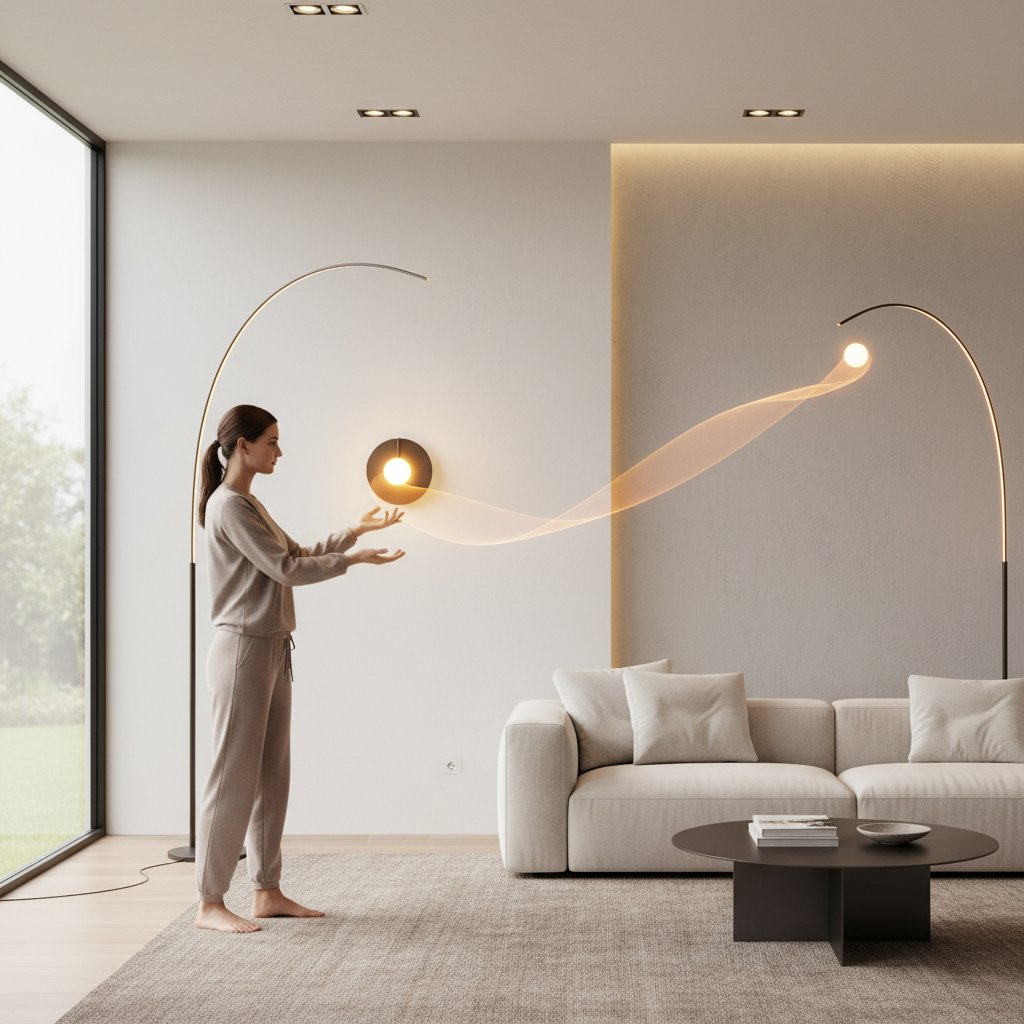
Hey everyone, I’ve been thinking a lot about what truly makes a house a home lately. You know, it’s more than just four walls and a roof. I recently read something fascinating – a survey suggested that individuals who actively nurture their living spaces and establish clear, supportive routines within their homes often report significantly higher levels of personal well-being and less daily stress. It really got me thinking about how much power we have to shape our environment, not just physically, but emotionally too.
Let’s talk about our households – I think this could help a lot of people, because sometimes managing everything can feel like a juggling act, right? We all want that feeling of peace and comfort when we walk through our front door. It’s about more than just cleaning; it’s about creating a space where everyone feels supported, where there’s a sense of flow and ease. For me, it’s about striving for what I like to call household harmony, a kind of rhythm that just makes daily life smoother and more enjoyable for everyone involved. It’s a journey, not a destination, but there are definitely some things I’ve learned that can make a big difference.

The Foundation of a Happy Home: Embracing Daily Routines

One of the biggest game-changers for me in achieving a calmer home environment has been embracing the power of daily routines. Before, my days felt a bit like a chaotic scramble, especially in the mornings and evenings. There was always that last-minute rush, the forgotten lunch, or the pile of dishes staring at me before bed. It felt like I was constantly reacting to whatever popped up.
But then I started experimenting with setting up some simple, consistent habits, and honestly, it’s transformed our mornings and evenings. For example, our morning routine now includes everyone making their bed, a quick tidy of communal spaces after breakfast, and packing lunches the night before. It sounds so basic, but it removes so much friction! There’s less nagging, less searching for lost shoes, and more time for a relaxed breakfast or even just a few minutes of quiet before the day truly begins. It sets a positive tone and helps us all feel more prepared for whatever the day brings.
Similarly, an evening routine has been a lifesaver. We make sure school bags are ready, clothes are laid out, and the kitchen gets a quick wipe-down right after dinner. This isn’t about being rigid or perfect, but about building small, manageable habits that contribute to a sense of order. When you wake up to a relatively tidy space, or go to bed without a mountain of chores looming, it significantly reduces mental clutter. These small acts of consistency are truly foundational to creating a comfortable home, making it a place of refuge rather than another source of stress.
Making Routines Work for Your Family Life
Now, I know what some of you might be thinking: “Routines? My family is too spontaneous!” And I totally get that! The key isn’t to create a military-style schedule, but to find a rhythm that works for your unique family life. We started small, with just one or two non-negotiable tasks, and slowly built from there. Involving everyone in the discussion helps too. When my kids felt like they had a say in what our evening wind-down looked like, they were much more likely to participate. For instance, we decided together that evenings would include 15 minutes of “power tidy” where everyone pitches in to put things away, followed by reading time. It made it feel like a shared project rather than a chore list handed down from above.

Tackling the To-Do List: Smart Home Management Strategies

Beyond routines, effective home management is crucial. Let’s be honest, the “stuff” can pile up, and the never-ending list of chores can feel overwhelming. I used to dread the weekends because I knew they’d be consumed by cleaning and organizing, leaving little time for actual relaxation or fun with my family.
What I’ve found incredibly helpful is breaking down the bigger tasks into smaller, more manageable chunks. Instead of trying to deep clean the entire house in one go, I now dedicate 15-20 minutes each day to one specific area. Monday might be bathrooms, Tuesday is floors, Wednesday is laundry. This “little and often” approach prevents things from getting out of hand and makes the workload feel much less daunting. It’s amazing how much you can accomplish in a short burst of focused effort!
Another big lesson for me has been about decluttering. We all accumulate things, don’t we? And sometimes, a cluttered space can lead to a cluttered mind. I recently adopted a “one in, one out” rule for certain categories, especially clothes and toys. If something new comes in, something old needs to find a new home. This simple rule has been surprisingly effective in preventing things from spiraling out of control. It also encourages more thoughtful purchases and helps maintain that sense of household harmony by keeping our spaces feeling light and open.
Sharing the Load for a Happier Household
For any kind of successful home management, especially in a busy household, involving everyone is non-negotiable. It’s not just about me doing everything; it’s about fostering a sense of shared responsibility and teamwork. Even the youngest members of our family have age-appropriate tasks. My little one helps put toys away, while the older ones are responsible for their laundry and keeping their rooms tidy. It teaches them valuable life skills and also lightens the load for everyone else. We even have a visible chore chart (nothing fancy, just a whiteboard!) that helps us all keep track and feel accountable. When everyone contributes, it really strengthens the fabric of our family life and makes the house feel like a collective effort, a place we all invest in.

Beyond Chores: Nurturing Your Space and Relationships
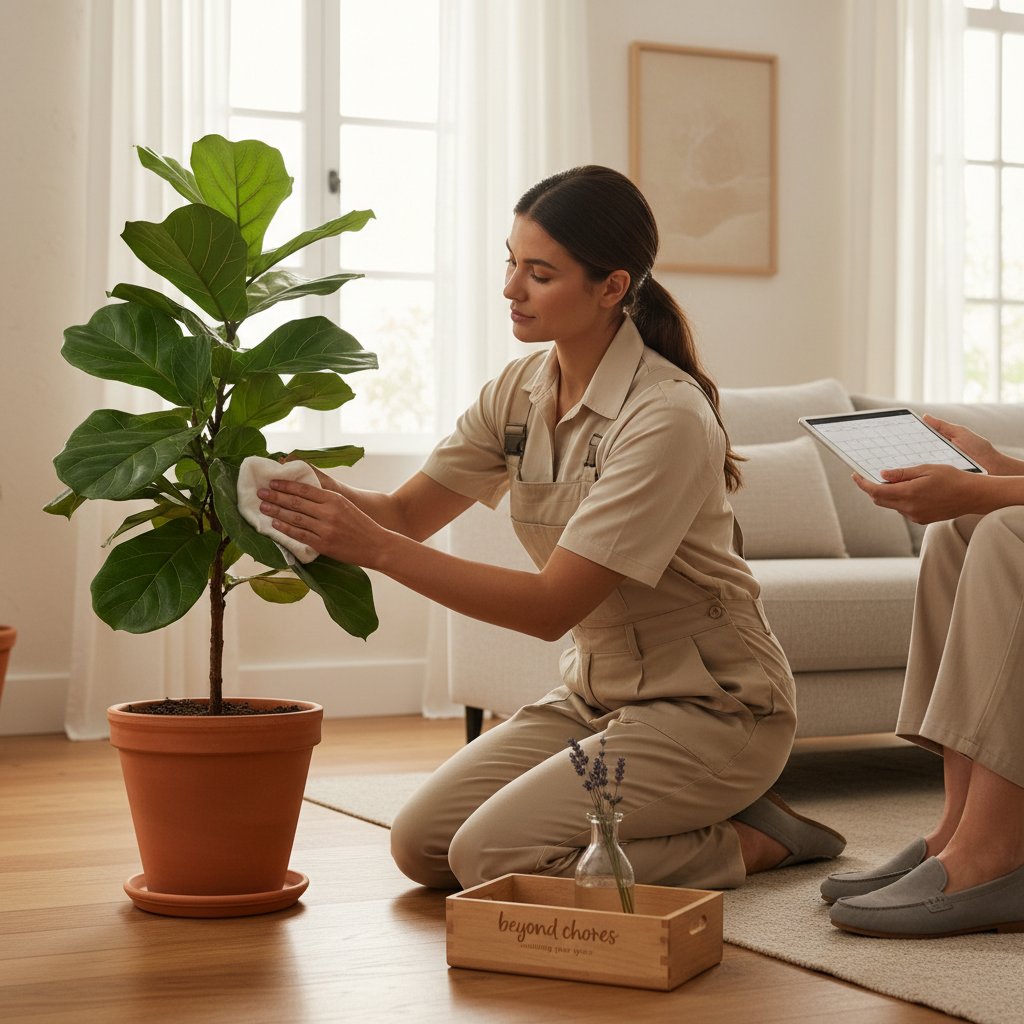
While routines and smart management are vital, creating a comfortable home goes deeper than just cleanliness and organization. It’s about the atmosphere, the feeling you get when you’re there. It’s about nurturing the relationships within those walls and making memories.
I’ve started focusing more on the little things that bring joy and warmth. This could be something as simple as fresh flowers on the table, a favorite scent diffusing through the air, or a cozy blanket on the sofa. It’s about intentionally designing moments of connection. For us, that might mean a designated “family game night” once a week, or making sure we have dinner together at the table without screens. These small traditions, even if they’re just a few minutes of shared laughter or conversation, are the glue that holds everything together and fosters true household harmony.
Another thing I’ve learned is the importance of open communication. A comfortable home is one where everyone feels heard and respected. We try to have regular “check-ins” where we talk about what’s going well and what might be challenging. It’s not always easy, but creating a safe space for everyone to express themselves helps prevent small issues from becoming big problems. It reinforces the idea that our home is a haven, a place where we can truly be ourselves and rely on each other. This kind of emotional tending is just as important as the physical upkeep.
These are some of my experiences and observations about what it takes to cultivate a truly vibrant and peaceful home. It’s a continuous process of learning and adjusting, but the effort is so worth it for the sense of well-being and connection it brings to our family life. It’s about being intentional, finding what works for you, and celebrating the small victories along the way.
I hope these thoughts bring you some inspiration for enhancing your own home management and creating that wonderful feeling of household harmony. What are some of your favorite ways to make your home a more comfortable and joyful place? I’d love to hear your ideas!