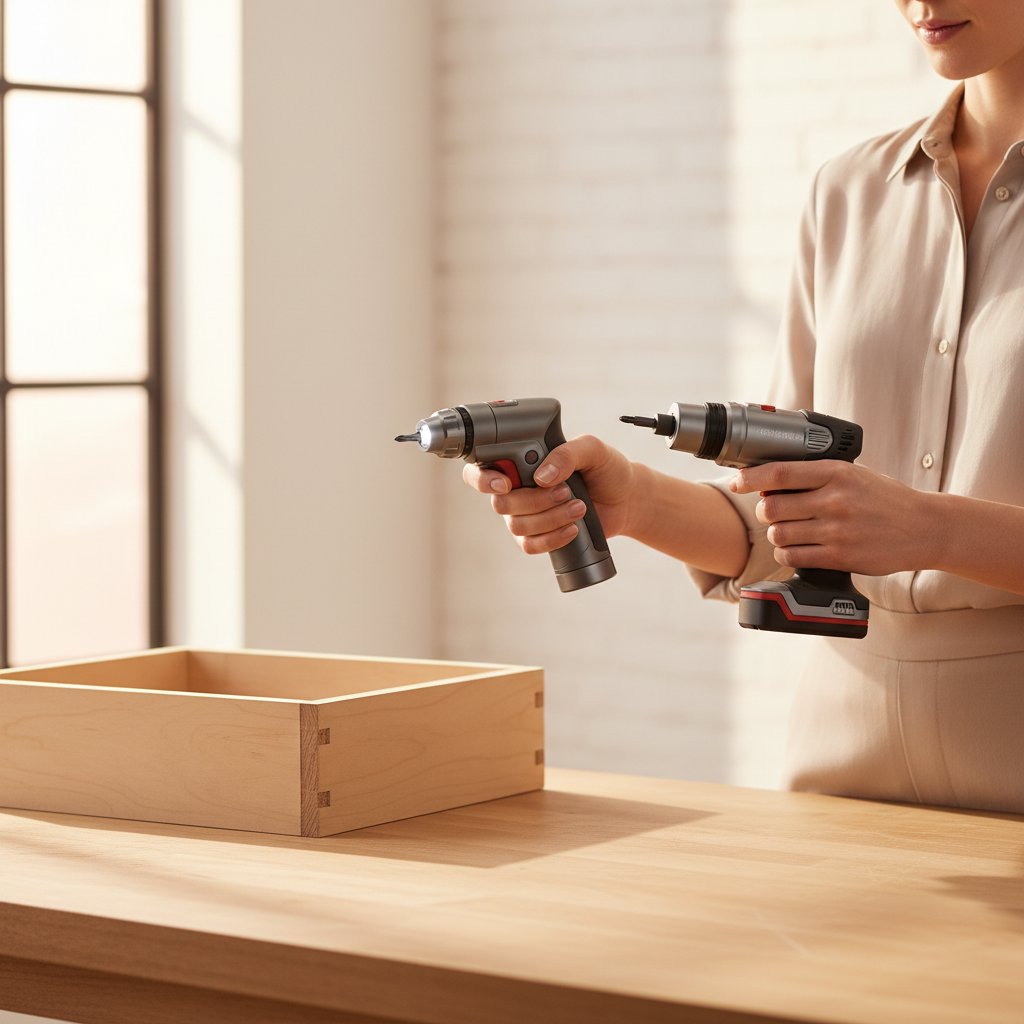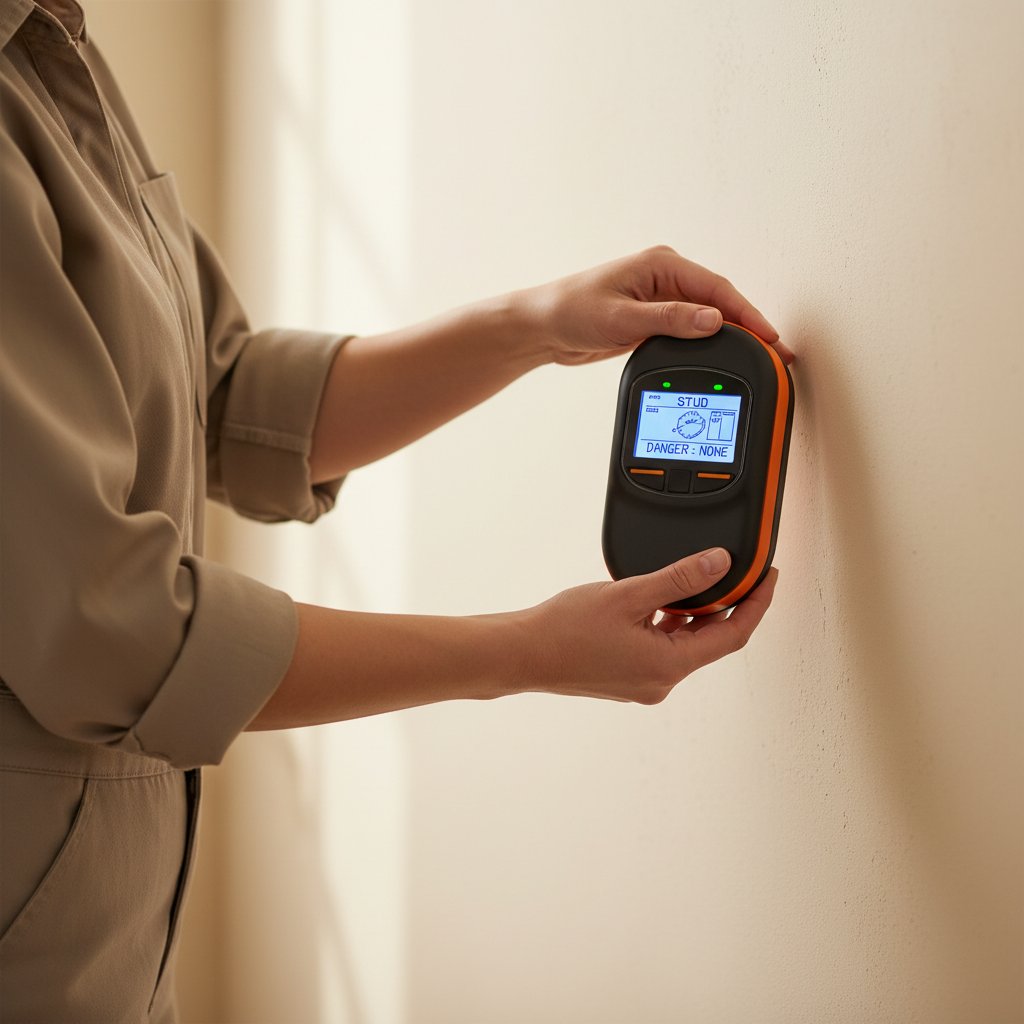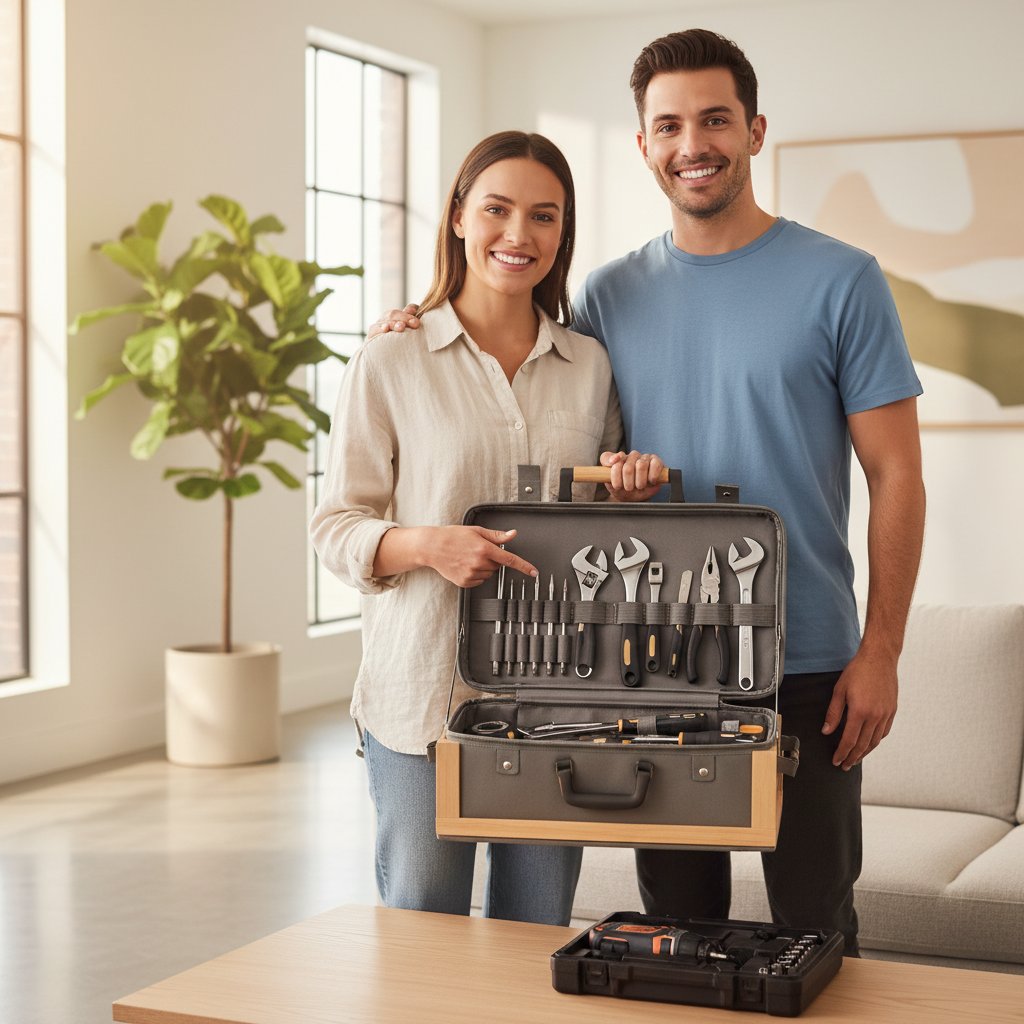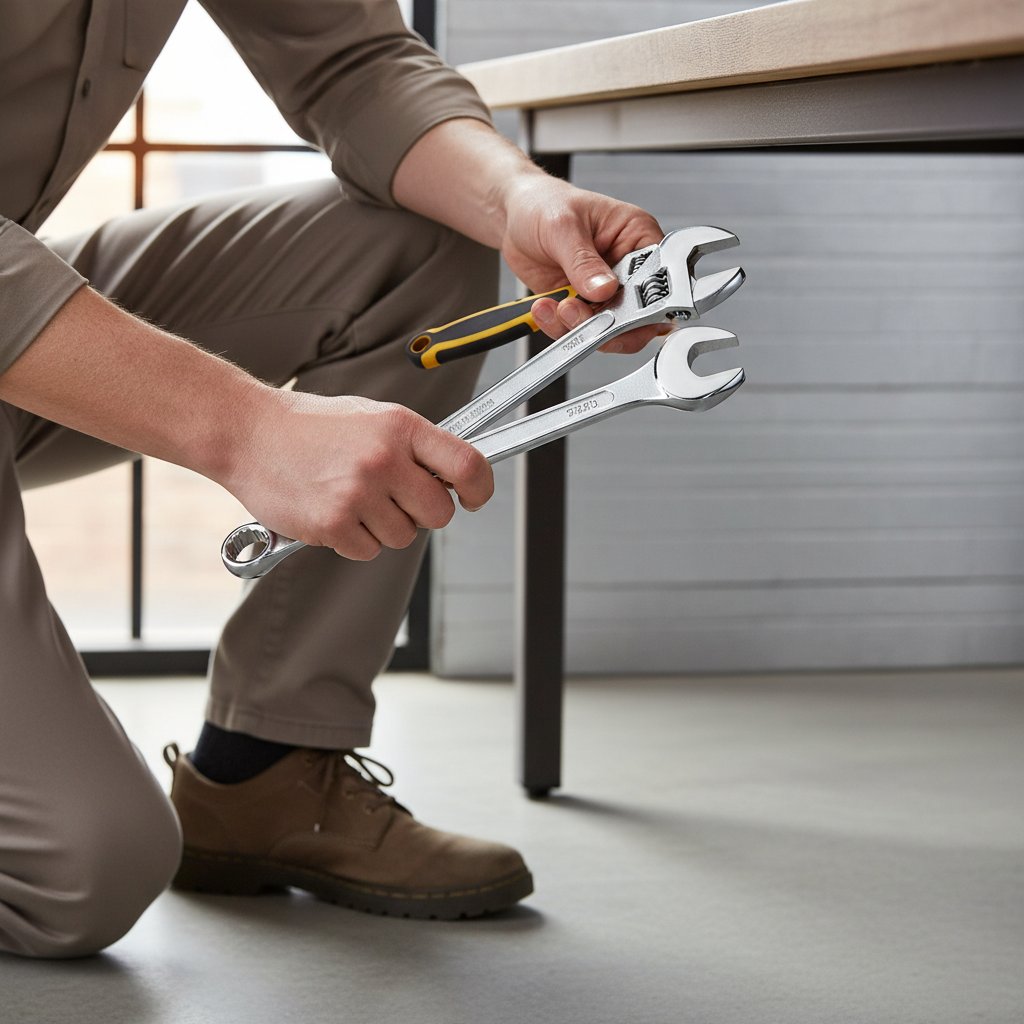
Hey everyone, I’ve been thinking a lot lately about how we navigate our daily lives, and something that keeps coming to mind is the idea of “tools.” What comes to your mind when you hear that word? Do you picture a workbench full of hammers and wrenches, or maybe a sleek digital device? For me, it’s become so much more than just physical objects. I’ve realized that the right tools, whether tangible or intangible, are truly the unsung heroes that simplify our world, boost our creativity, and even bring a little more joy into our routines. Let’s talk about them – I think exploring this idea could help us all appreciate the things that truly support us!

The Magic of Having the Right Tools

You know, there’s a certain kind of satisfaction that comes from having exactly what you need at your fingertips. It’s not just about efficiency; it’s about making a task feel less daunting, more enjoyable, and often, yielding a better result. Think about cooking. Trying to chop vegetables with a dull knife can be a frustrating, even dangerous, experience. But give me a sharp, well-balanced chef’s knife, and suddenly, preparing dinner feels like a breeze. The ingredients are prepped quickly and neatly, and I actually look forward to the process. That’s the power of the right tools in action!
It’s the same in so many other parts of life. Maybe you enjoy gardening; having a sturdy trowel and a comfortable pair of gloves makes tending to your plants a pleasure, not a chore. Or perhaps you love to sketch; finding that perfect pencil that glides just right on the paper can unlock new levels of creativity. These aren’t just objects; they’re extensions of our intentions, helping us translate our ideas and efforts into reality with greater ease and less friction. When we invest a little thought into our tool selection, the payoff in terms of time saved, frustration avoided, and quality improved is immense.
Beyond the Toolbox: Everyday Helpful Tools
When I talk about tools, I’m really thinking broadly. Yes, there are the obvious physical ones, but what about the less obvious, yet equally powerful daily tools we use? For example, my trusty notebook and pen aren’t just stationery; they’re essential tools for organizing my thoughts, jotting down ideas, and planning my week. They help me clear my head and stay on track, acting as a quiet assistant throughout my day. Or consider a comfortable pair of walking shoes – for someone who loves to explore on foot, they are absolutely vital tools for adventure and well-being!
Even certain habits or mindsets can be considered powerful tools. A morning routine that sets a positive tone for the day, a simple breathing exercise to calm frayed nerves, or a system for breaking down big projects into smaller, manageable steps – these are all incredibly helpful tools that aren’t bought in a store. They’re cultivated, practiced, and integrated into our lives, making us more resilient and effective. It’s about recognizing what truly serves us, what makes our lives flow a little smoother, and then intentionally incorporating those things.
How We Choose Our Tools: A Thoughtful Approach
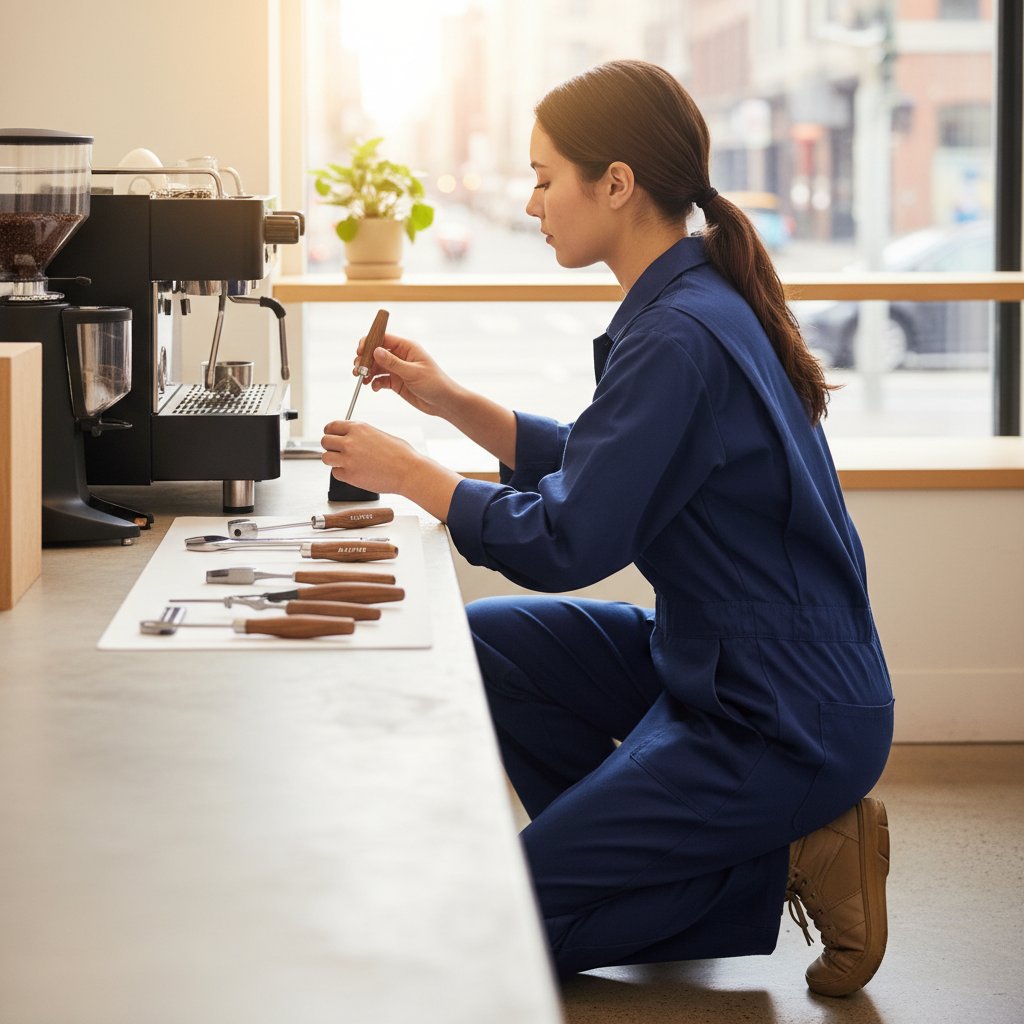
So, how do we go about ensuring we have the right tools for our unique lives? It’s not about accumulating endless items or jumping on every new trend. Instead, it’s about thoughtful tool selection. I’ve learned that before I acquire something new, I like to ask myself a few questions: What problem am I trying to solve? Will this tool genuinely make a task easier or more enjoyable? Is it durable and reliable? Does it fit well into my existing routines?
Sometimes, the best tool isn’t the most expensive or the most technologically advanced; it’s the one that simply works best for *you*. I remember wanting a fancy coffee machine, thinking it would make my mornings better. But after trying it, I realized the ritual of my simple pour-over method was actually what I enjoyed most. The expensive machine just added complexity. This experience really highlighted for me that personal preference and actual utility should always trump perceived status or bells and whistles. Our tool mindset should be one of mindful acquisition, focusing on quality over quantity, and genuine need over fleeting desire.
The “Tool Mindset”: More Than Just Owning Things
Having the best tools is only half the battle; the other half is knowing how to use them and having the right “tool mindset.” This means being willing to learn, to experiment, and to adapt. It’s about understanding that a tool, no matter how good, is only as effective as the person wielding it. For instance, I might have a beautiful set of paints, but if I don’t take the time to learn about color mixing or brush techniques, I won’t unlock their full potential.
It also involves caring for our tools. A well-maintained garden tool lasts longer and performs better. Keeping our digital files organized makes our computers more efficient daily tools. This mindset extends to our non-physical tools too. Regularly reflecting on our habits and adjusting them as needed ensures they remain truly helpful tools. It’s an ongoing process of learning, practicing, and refining, which ultimately empowers us to get the most out of everything we have at our disposal.
My Own Experiences with Helpful Tools

I’ve certainly had my share of discoveries when it comes to tools. One simple example is my reusable water bottle. It sounds so basic, right? But for me, it’s become an indispensable part of my daily tools. It keeps me hydrated, reminds me to take breaks, and reduces waste. It’s a small thing, but it has a big impact on my well-being. Another one is a specific type of planner I found a few years ago. It’s not digital, just a simple paper one, but its layout really clicks with how my brain works. It helps me prioritize, track my progress, and feel a sense of accomplishment each day. It truly is one of my most helpful tools for staying focused.
Then there’s the broader concept of creating a dedicated space for certain activities. For my writing, having a quiet corner with good lighting and minimal distractions is a tool in itself. It’s not a physical object, but it’s an environment I’ve intentionally crafted to support my work. This “space as a tool” concept helps me get into the right “tool mindset” for focused creative effort. These personal examples, both big and small, constantly remind me of the power of thoughtful tool selection and how much easier and more enjoyable life can be with the right tools.
I hope these thoughts about tools, both tangible and intangible, bring you some inspiration! It’s amazing how much difference a little intentionality can make in our lives when it comes to the things and habits that support us. What are some of your favorite tools, big or small, that you couldn’t imagine your day without? I’d love to hear your thoughts!